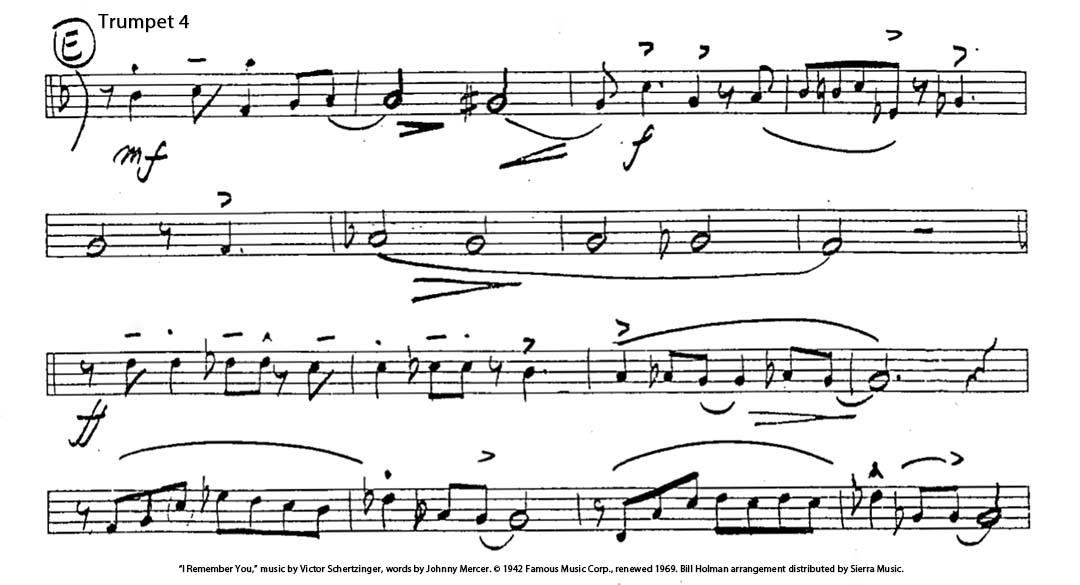
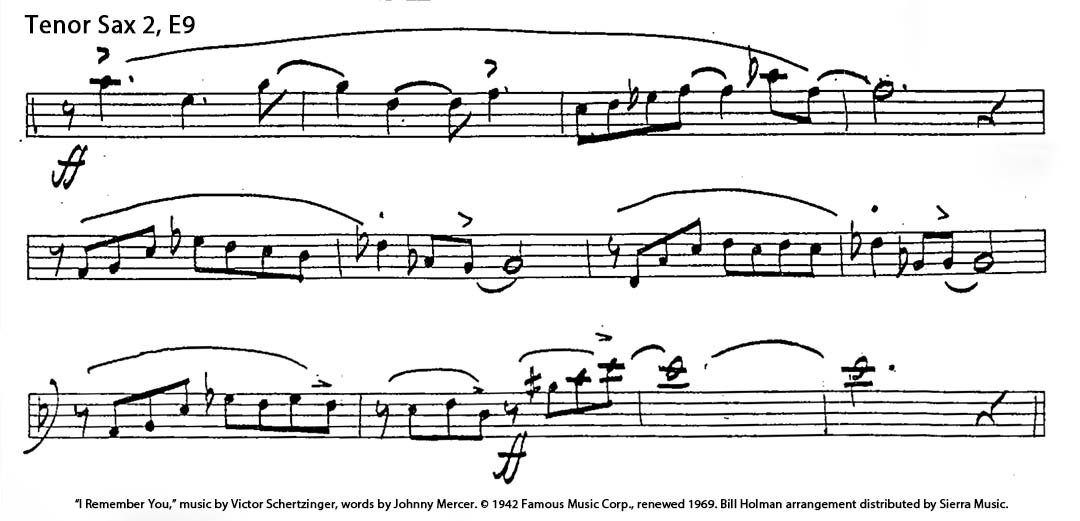
 |
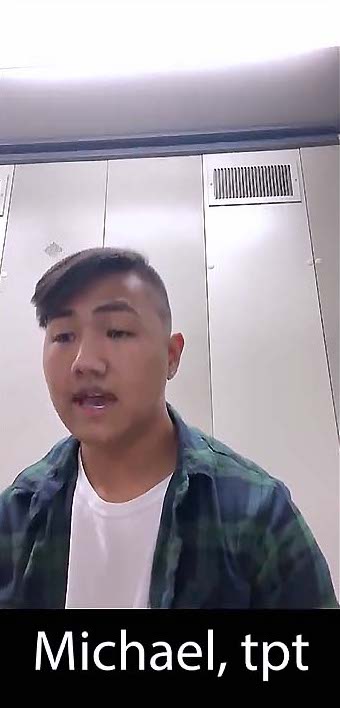
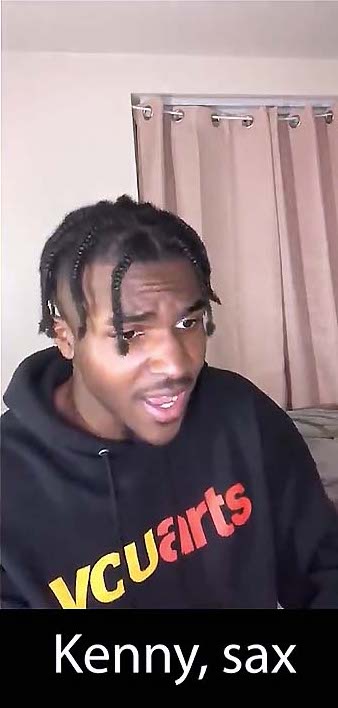
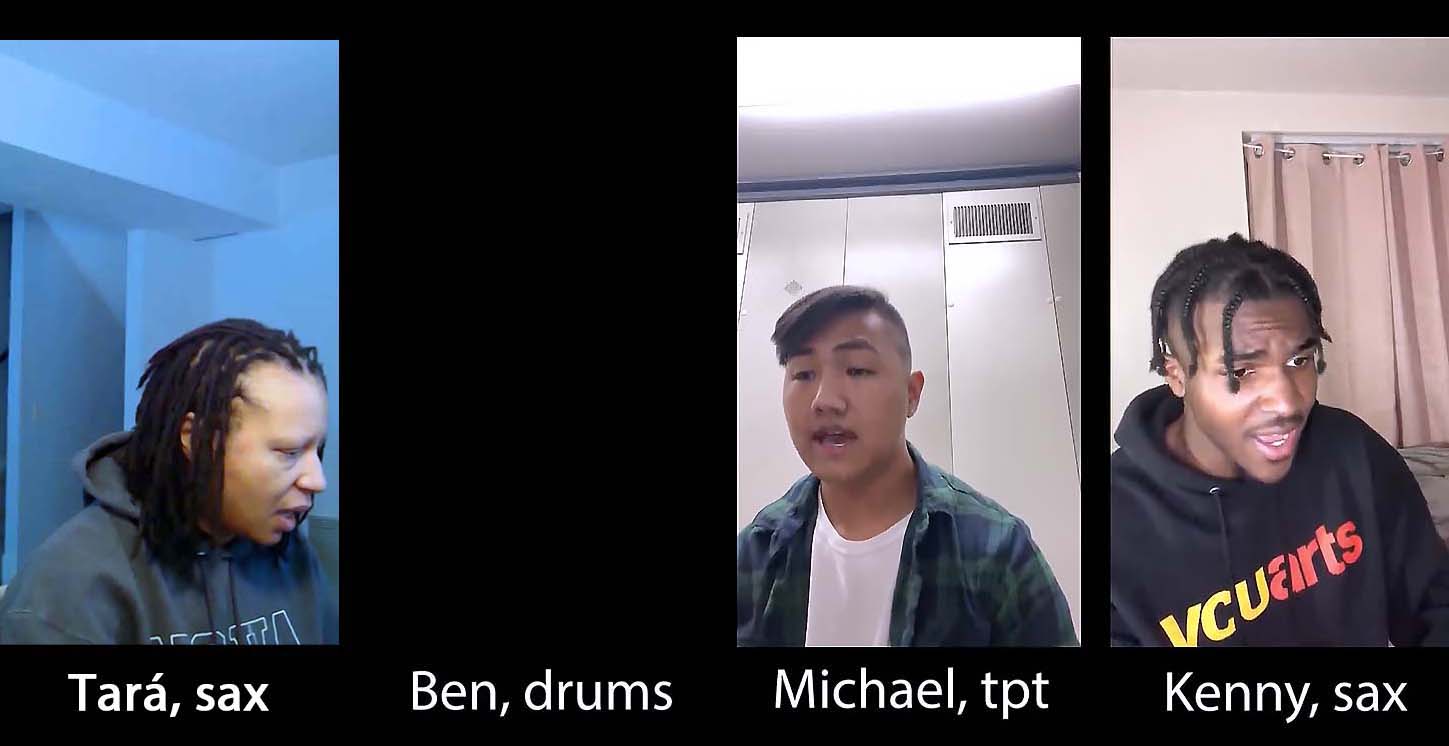
Four then-members of the Virginia Commonwealth University Jazz Orchestra I, separately scat-singing |
This article was published as García, Antonio J. “Recorded Scat Tests for Jazz Bands: a Rehearsal Timesaver!.” Jazz Education in Research and Practice, vol. 7, no. 1, 2026, pp. 168–173. Project MUSE. The Author may post a preprint version of the Contribution on personal websites and in-home institutional repositories (IR). A preprint is the version of the article that is sent to a journal editor after review and revision but before copy editing. Therefore the preprint version shown here is a “working paper.” This expanded edition below includes text and materials not available in the print version. No part of it may be reproduced, stored in a retrieval system, transmitted, or distributed in any form, by any means, electronic, mechanical, photographic, or otherwise, without the prior permission of Indiana University Press. For education reuse, please contact the Copyright Clearance Center. For all other permissions, contact IU Press. |
Recorded Scat Tests for Jazz Bands: a Rehearsal Timesaver!
by Antonio J. García
ABSTRACT NO OTHER SINGLE INNOVATION IN MY BIG BAND HAS MADE MORE POSITIVE IMPACT ON THE ENSEMBLE THAN THIS REQUIREMENT. The less-experienced readers are forced to step up—which is important, given that my band sightreads a tune on concerts a couple of times a year. The positive effect when the students then return to their instruments has been incredible, and they appreciate my attention to detail across the ensemble while not tying up the full band’s rehearsal to accomplish that result. Audio and video examples are included within this online expanded version of this article. Keywords: jazz phrasing, ground beat, trust |
|
Four then-members of the Virginia Commonwealth University Jazz Orchestra I, separately scat-singing |
A Choral Example
A decade or so ago Dr. Erin Freeman and I were colleagues at Virginia Commonwealth University, where she was Director of Choral Activities and I the Director of Jazz Studies. She had required the members of her chorale to take their phones and briefly record themselves singing their own part as the ensemble collectively rehearsed a given passage. The students then uploaded their short videos to the class’ archive in the cloud, where Freeman could later evaluate each student’s work and provide individual feedback as to how to improve.
Intrigued, I wondered how I might create a similar evaluative experience for the VCU Jazz Orchestra I. Knowing that too many of my big band students were hiding behind the others when it came to accuracy and commitment to rhythmic phrasing, I took action. No other single innovation in my big band made more positive impact on the ensemble than the requirement explored below.
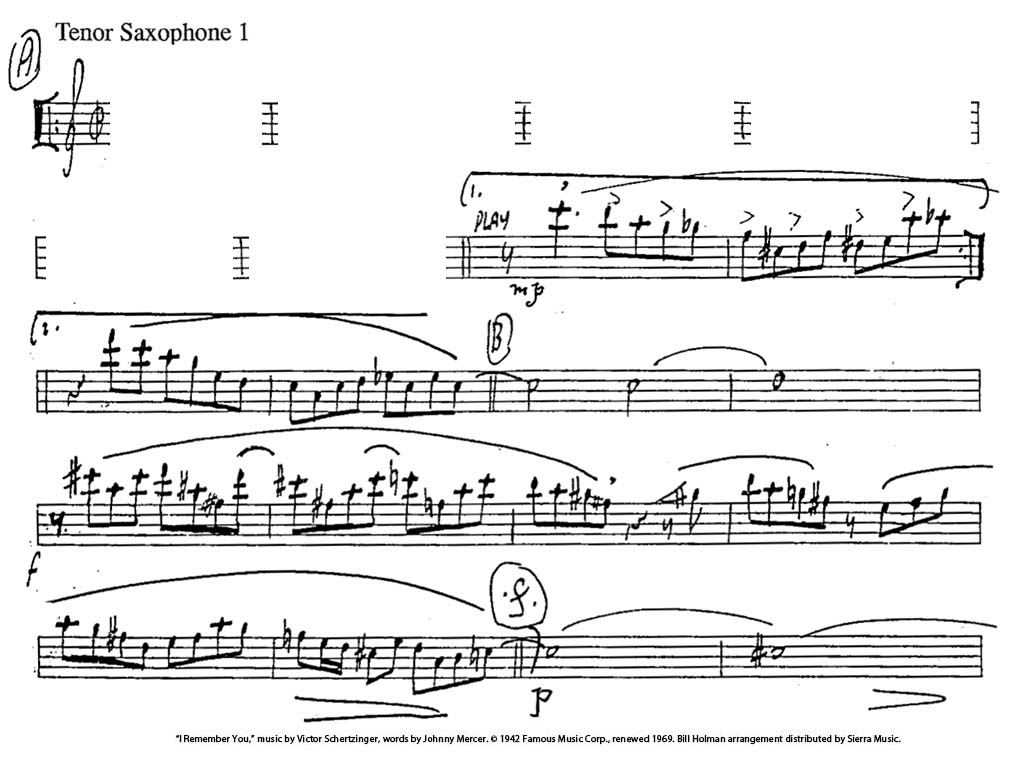 |
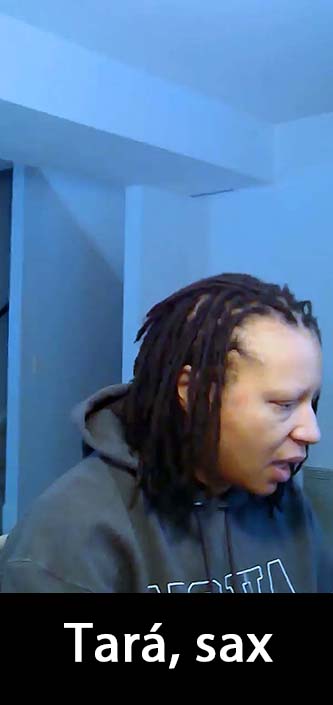 |
| Click on Tará's image at above right to view the tenor saxophonist's video of scat-singing the passage. |
|
 |
 |
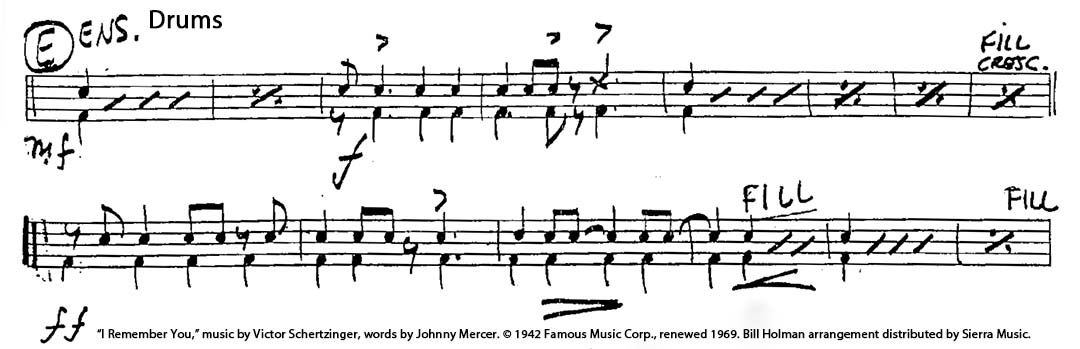
| Click on Ben's box at right to view the drummer's video of scat-singing the passage. |
|
||||||||||
Click on Kenny's image at above right to view the tenor saxophonist's video of scat-singing the passage.
He will scat preceding material before arriving at E9 at 1'26" into the video.
You can hear each of these four musicians observing dynamics and groove. And the trumpeter and saxophonists, who are making the short notes appropriately "fat," are also intent on sustaining all notes to the appropriate cut-off beat! These accomplishments vocally will translate to the same intensity of unified phrasing when they pick up their instruments.
Since such tracks are recorded to metronome clicks, you even have the option of lining up the separate audio tracks—or even video tracks—in order to assess ensemble unity. While I would not often do this, there are times when it becomes important to demonstrate to a given student, section, or the ensemble how well they are phrasing together—or not. Though an audio synch would be sufficient, I’ve posted here a video montage of three students’ videoed scat tests merged for a portion of the arrangement that overlapped:
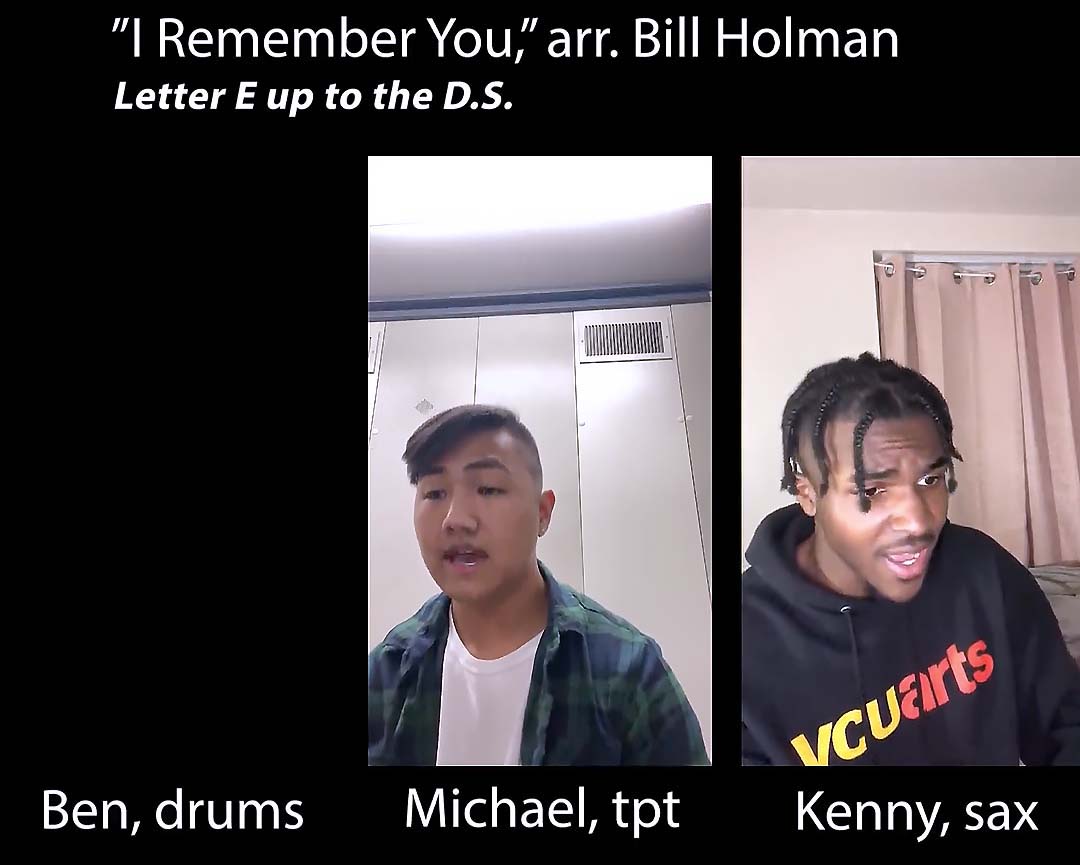
| Click on the above image to view the trio's synched video of scat-singing the passage. |
While these students' work is exemplary, it should also be inversely obvious that a documented poor scatting-ensemble result will to prove to a skeptical student that good ensemble phrasing is not solely in the instrument—and that musicians must have in their heads what they wish to accomplish on those instruments.
I had started requiring such scat-tests in the years prior to 2020. But the particular tests above did occur during the COVID-era of the first months of 2021, when the band was unable to rehearse together in one room even as we prepared for a collaborative recording project with guest guitarist Kurt Rosenwinkel. We were fortunate that the post-holiday-surge lockdown was lifted just in time for us to have one live rehearsal in person together (albeit 7-10 feet apart) before recording our ensemble’s collective track to send on to Kurt so that he could add his solo work. If you’d like to see and hear the band’s resulting COVID-era performance of “I Remember You” with Rosenwinkel (after that single live rehearsal), visit here; and choose the high-definition viewing-option. (If you seek comparisons to the scat tests, note that letter E occurs 6'42" into the video.) How marvelous it was, after the bandmembers had been apart for four months, to reunite for even one day! (We tracked one other performance with Kurt for that concert. I invite you to hear and see "Turn Out The Stars," composed by Bill Evans, arranged by Shelly Berg, and further arranged by yours truly here.)
Sample Chart Scat #2
The ground beat and brisk tempo of the next chart and assignment differ as follows. You can get the “Ya’ Gotta’ Try” chart from Kendor Music.
* * *
VIDEO SCAT TEST, DUE NOON TH 9/23
For the test, place your metronome at whole note = 64, clicking on beat three. This puts the emphasis on the second half of the bar and should feel relaxing, like a samba. If you need to get a subdivided beat first, try it first on half-note = 32 on beats 1 and 3; then go back to whole note = 64 on just beat 3.
—SAXES, TRUMPETS, TROMBONES:
G to the end, taking the SECOND ending.
—RHYTHM: Practice G to the end, taking the SECOND ending, scatting with metronome clicking at whole note = 64, clicking on beats three. When you’re just singing time, be sure to include dynamics. (Piano: since your comping is more sparse, simply place a scatted chord when you want within the groove.)
But then upload only G to the end scatting at double whole note = 32, clicking on beat three every OTHER bar. This is a groove-test!
* * *
If you’d like to view a result of the above assignment, I’ve posted Kenny Travis' scat test below.
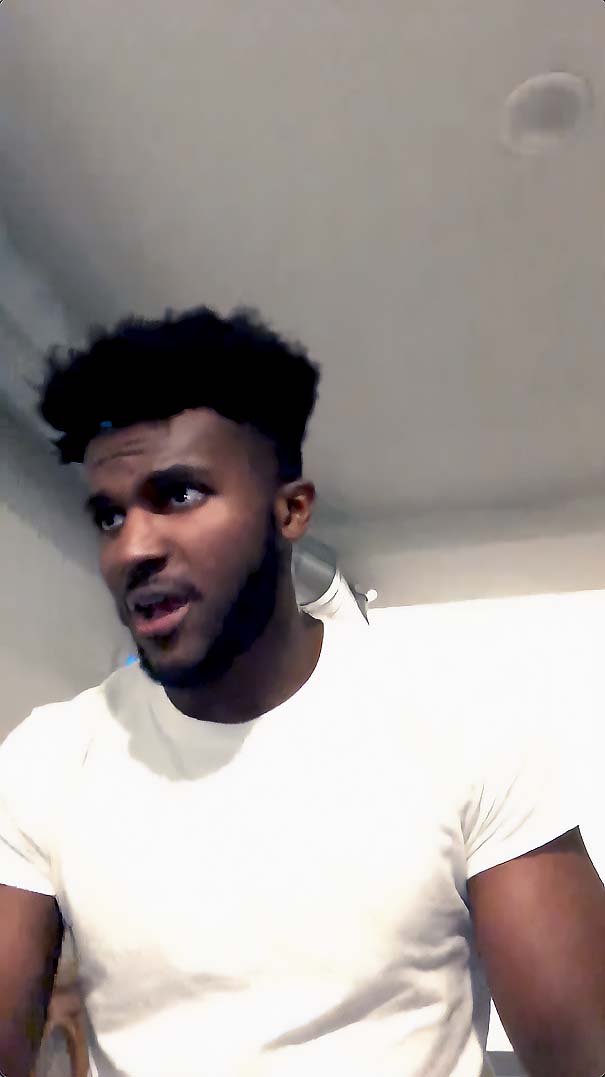
Click on the above image to view the tenor saxophonist's video of scat-singing the Tenor 2 passage.
You can also view the score in hi-def , noting that letter G occurs at 2'14", with Tenor 2 joining in pickups to the fifth bar.
Student Reaction
Ensemble members’ reactions to the test requirements and outcomes have been strongly positive. Trumpeter and alumnus Michael Nguyen said, “Scatting as a whole has a lot of benefits. But being new to jazz and big band at the time, the most important aspects to me were the way each phrase sounded in my head (the articulation and how far to lay back on each beat) and, most importantly, saving ‘chops’ when you’re doing long sectionals or individual practice.”
Offered drum alumnus Ben Eisenberg: “Through scatting the rhythms of big band charts outside of rehearsal, I could observe and internalize the tone and time-feel approach that I would take playing with the ensemble.”
Tará Davis, a saxophone alumna, recalled: “Having never actively played jazz before, learning how to scat helped me gain a working understanding of the jazz language that I don’t think I would’ve grasped onto without it. In retrospect, as little confidence as I had in my playing while in the band, the scatting at least helped me feel like I had a fighting chance of blending in with the group.
“Then there was the group dynamic. You always said that a band that scats together swings hard and sounds a lot tighter. This is very true. I also believe that one of the greatest ways that I benefitted was learning how to be vulnerable enough to make videos of myself speaking ‘nonsense words’ for critique. Somehow that built some character and helped me on a personal level. It also gave me a deeper appreciation for Ella Fitzgerald, Louis Armstrong, and the other ancestors of jazz that utilized scatting.”
Building Ensemble
I usually ask any band newly under my direction: “What is your definition of ensemble?” Rarely do I hear my own answer: “Trust.” We’ve all been involved in group projects where one or more of the collaborators fails to invest excellence: morale falls, and often the quality of the work sinks to the lowest common denominator. We want to avoid that fate in our bands.
Without the trust that each bandmember is committing to issuing the same phrasing-detail as yourself, ensemble doesn’t exist: it’s just a bunch of musicians playing together. These recorded scat-tests plant important seeds for growing ensemble trust across the band.
I extend my hearty gratitude to Ben, Michael, Tará, and Kenny for their kind permission to reproduce here a small portion of their exceptional work as students of that time. Each are marvelous professional musicians as well as wonderful people, and this article would not have demonstrated in such full dimensions without the use of their past recordings!
_ _ _ _ _ _ _ _ _ _ _ _ _ _ _
Antonio J. García is a Professor Emeritus and former Director of Jazz Studies at Virginia Commonwealth University, where he directed the Jazz Orchestra I; instructed Applied Jazz Trombone, Small Jazz Ensemble, Jazz Pedagogy, Music Industry, and various jazz courses; founded a B.A. Music Business Emphasis (for which he initially served as Coordinator); and directed the Greater Richmond High School Jazz Band. An alumnus of the Eastman School of Music and of Loyola University of the South, he has received commissions for jazz, symphonic, chamber, film, and solo works—instrumental and vocal—including grants from Meet The Composer, The Commission Project, The Thelonious Monk Institute, and regional arts councils. His music has aired internationally and has been performed by such artists as Sheila Jordan, Arturo Sandoval, Jim Pugh, Denis DiBlasio, James Moody, and Nick Brignola. Composition/arrangement honors include IAJE (jazz band), ASCAP (orchestral), and Billboard Magazine (pop songwriting). His works have been published by Kjos Music, Hal Leonard, Kendor Music, Doug Beach Music, ejazzlines, Walrus, UNC Jazz Press, Three-Two Music Publications, Potenza Music, and his own garciamusic.com, with five recorded on CDs by Rob Parton’s JazzTech Big Band (Sea Breeze and ROPA JAZZ). His scores for independent films have screened across the U.S. and in Italy, Macedonia, Uganda, Australia, Colombia, India, Germany, Brazil, Hong Kong, Mexico, Israel, Taiwan, and the United Kingdom. One of his recent commissions was performed at Carnegie Hall by the Orpheus Chamber Orchestra.
A Conn-Selmer trombone clinician, Mr. García serves as the jazz clinician for The Conn-Selmer Institute. He has freelanced as trombonist, bass trombonist, or pianist with over 70 nationally renowned artists, including Ella Fitzgerald, George Shearing, Mel Tormé, Doc Severinsen, Louie Bellson, Dave Brubeck, and Phil Collins—and has performed at the Montreux, Nice, North Sea, Pori (Finland), New Orleans, and Chicago Jazz Festivals. He has produced recordings or broadcasts of such artists as Wynton Marsalis, Jim Pugh, Dave Taylor, Susannah McCorkle, Sir Roland Hanna, and the JazzTech Big Band and is the bass trombonist on Phil Collins’ CD “A Hot Night in Paris” (Atlantic) and DVD “Phil Collins: Finally...The First Farewell Tour” (Warner Music). An avid scat-singer, he has performed vocally with jazz bands, jazz choirs, and computer-generated sounds. He is also a member of the National Academy of Recording Arts & Sciences (NARAS). A New Orleans native, he also performed there with such local artists as Pete Fountain, Ronnie Kole, Irma Thomas, and Al Hirt.
Most of all, Tony is dedicated to assisting musicians towards finding their joy. His 35-year full-time teaching career and countless residencies in schools have touched tens of thousands of students in Canada, Europe, South Africa, Australia, The Middle East, and across the U.S. His collaborations highlighting jazz and social justice have raised hundreds of thousands of dollars, providing education to students and financial support to African American, Latinx, LGBTQ+, and Veterans communities, children’s medical aid, and women in jazz. He serves as a Research Faculty Member at the University of KwaZulu-Natal. His partnerships with South Africa focusing on racism and healing resulted in his performing at the Nelson Mandela National Memorial Service in D.C. in 2013. He also fundraised $5.5 million in external gift pledges for the VCU Jazz Program.
Mr. García is the Past Associate Jazz Editor of the International Trombone Association Journal. He has served as a Network Expert (for Improvisation Materials), President’s Advisory Council member, and Editorial Advisory Board member for the Jazz Education Network . His newest book, Jazz Improvisation: Practical Approaches to Grading (Meredith Music), explores avenues for creating structures that correspond to course objectives. His book Cutting the Changes: Jazz Improvisation via Key Centers (Kjos Music) offers musicians of all ages the opportunity to improvise over standard tunes using just their major scales. He is Co-Editor and Contributing Author of Teaching Jazz: A Course of Study (published by NAfME), authored a chapter within Rehearsing The Jazz Band and The Jazzer’s Cookbook (published by Meredith Music), and contributed to Peter Erskine and Dave Black’s The Musician's Lifeline (Alfred). Within the International Association for Jazz Education he served as Editor of the Jazz Education Journal, President of IAJE-IL, International Co-Chair for Curriculum and for Vocal/Instrumental Integration, and Chicago Host Coordinator for the 1997 Conference. He served on the Illinois Coalition for Music Education coordinating committee, worked with the Illinois and Chicago Public Schools to develop standards for multi-cultural music education, and received a curricular grant from the Council for Basic Education. He has also served as Director of IMEA’s All-State Jazz Choir and Combo and of similar ensembles outside of Illinois. He is the only individual to have directed all three genres of Illinois All-State jazz ensembles—combo, vocal jazz choir, and big band (plus All-County and community concert bands and orchestras). He is the recipient of the Illinois Music Educators Association’s 2001 Distinguished Service Award.
Regarding Jazz Improvisation: Practical Approaches to Grading, Darius Brubeck says, "How one grades turns out to be a contentious philosophical problem with a surprisingly wide spectrum of responses. García has produced a lucidly written, probing, analytical, and ultimately practical resource for professional jazz educators, replete with valuable ideas, advice, and copious references." Jamey Aebersold offers, "This book should be mandatory reading for all graduating music ed students." Janis Stockhouse states, "Groundbreaking. The comprehensive amount of material García has gathered from leaders in jazz education is impressive in itself. Plus, the veteran educator then presents his own synthesis of the material into a method of teaching and evaluating jazz improvisation that is fresh, practical, and inspiring!" And Dr. Ron McCurdy suggests, "This method will aid in the quality of teaching and learning of jazz improvisation worldwide."
About Cutting the Changes, saxophonist David Liebman states, “This book is perfect for the beginning to intermediate improviser who may be daunted by the multitude of chord changes found in most standard material. Here is a path through the technical chord-change jungle.” Says vocalist Sunny Wilkinson, “The concept is simple, the explanation detailed, the rewards immediate. It’s very singer-friendly.” Adds jazz-education legend Jamey Aebersold, “Tony’s wealth of jazz knowledge allows you to understand and apply his concepts without having to know a lot of theory and harmony. Cutting the Changes allows music educators to present jazz improvisation to many students who would normally be scared of trying.”
Of his jazz curricular work, Standard of Excellence states: “Antonio García has developed a series of Scope and Sequence of Instruction charts to provide a structure that will ensure academic integrity in jazz education.” Wynton Marsalis emphasizes: “Eight key categories meet the challenge of teaching what is historically an oral and aural tradition. All are important ingredients in the recipe.” The Chicago Tribune has highlighted García’s “splendid solos...virtuosity and musicianship...ingenious scoring...shrewd arrangements...exotic orchestral colors, witty riffs, and gloriously uninhibited splashes of dissonance...translucent textures and elegant voicing” and cited him as “a nationally noted jazz artist/educator...one of the most prominent young music educators in the country.” Down Beat has recognized his “knowing solo work on trombone” and “first-class writing of special interest.” The Jazz Report has written about the “talented trombonist,” and Cadence noted his “hauntingly lovely” composing as well as CD production “recommended without any qualifications whatsoever.” Phil Collins has said simply, “He can be in my band whenever he wants.” García is also the subject of an extensive interview within Bonanza: Insights and Wisdom from Professional Jazz Trombonists (Advance Music), profiled along with such artists as Bill Watrous, Mike Davis, Bill Reichenbach, Wayne Andre, John Fedchock, Conrad Herwig, Steve Turre, Jim Pugh, and Ed Neumeister.
Tony is the Secretary of the Board of The Midwest Clinic and a past Advisory Board member of the Brubeck Institute. The partnership he created between VCU Jazz and the Centre for Jazz and Popular Music at the University of KwaZulu-Natal merited the 2013 VCU Community Engagement Award for Research. He has served as adjudicator for the International Trombone Association’s Frank Rosolino, Carl Fontana, and Rath Jazz Trombone Scholarship competitions and the Kai Winding Jazz Trombone Ensemble competition and has been asked to serve on Arts Midwest’s “Midwest Jazz Masters” panel and the Virginia Commission for the Arts “Artist Fellowship in Music Composition” panel. He was published within the inaugural edition of Jazz Education in Research and Practice and has been repeatedly published in Down Beat; JAZZed; Jazz Improv; Music, Inc.; The International Musician; The Instrumentalist; and the journals of NAfME, IAJE, ITA, American Orff-Schulwerk Association, Percussive Arts Society, Arts Midwest, Illinois Music Educators Association, and Illinois Association of School Boards. Previous to VCU, he served as Associate Professor and Coordinator of Combos at Northwestern University, where he taught jazz and integrated arts, was Jazz Coordinator for the National High School Music Institute, and for four years directed the Vocal Jazz Ensemble. Formerly the Coordinator of Jazz Studies at Northern Illinois University, he was selected by students and faculty there as the recipient of a 1992 “Excellence in Undergraduate Teaching” award and nominated as its candidate for 1992 CASE “U.S. Professor of the Year” (one of 434 nationwide). He is recipient of the VCU School of the Arts’ 2015 Faculty Award of Excellence for his teaching, research, and service, in 2021 was inducted into the Conn-Selmer Institute Hall of Fame, and is a 2023 recipient of The Midwest Clinic's Medal of Honor. Visit his web site at <www.garciamusic.com>.
If you entered this page via a
search engine and would like to visit more of this site,